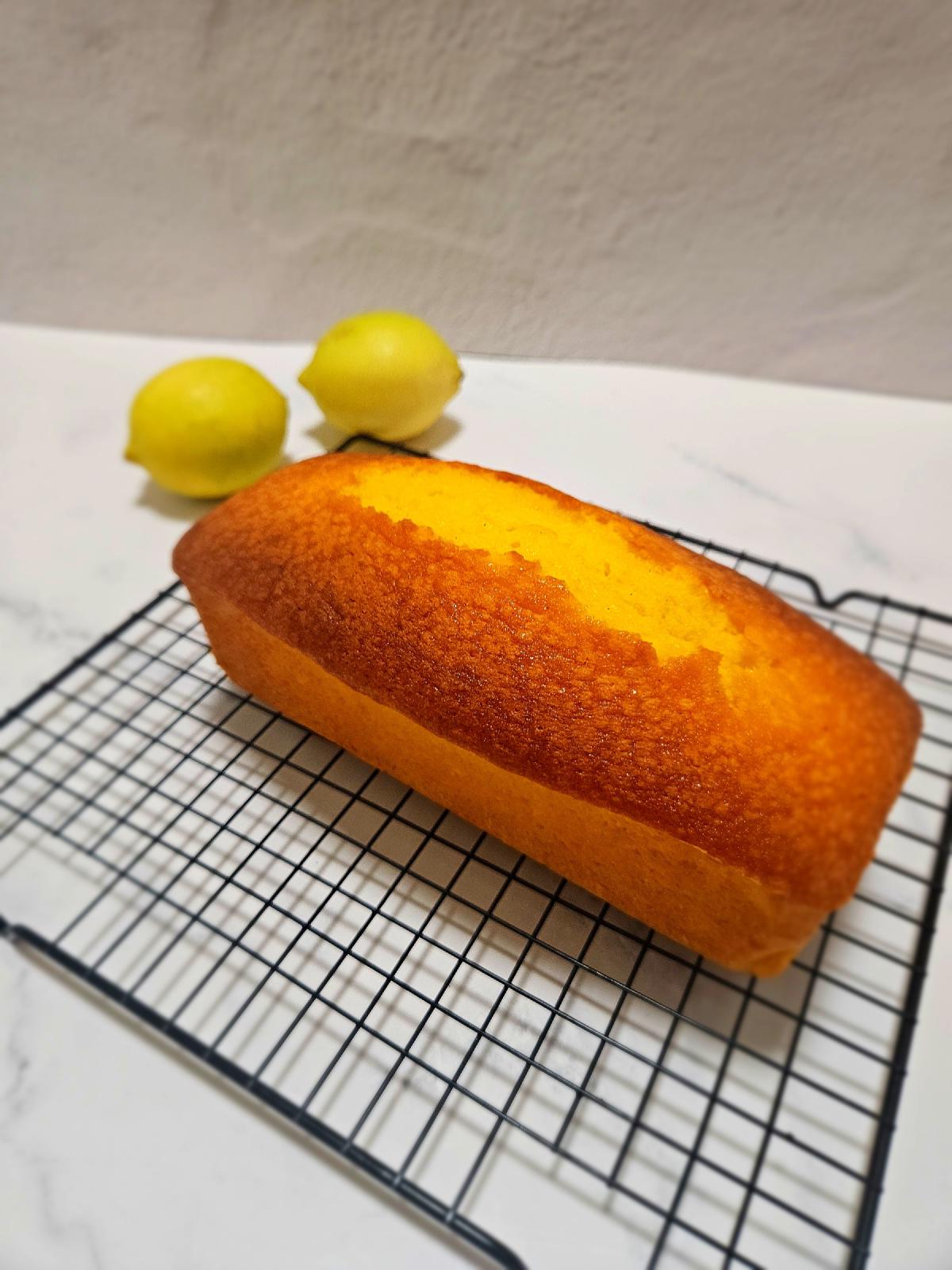

This lemon cream cheese pound cake is rich, soft, and delicately flavored with fresh lemon zest. The cream cheese adds moisture and a subtle tang that balances the sweetness perfectly—making this a pound cake recipe from scratch that still feels like a pound cake recipe easy enough for beginners.


If you’ve ever wondered about the difference between regular cake and pound cake, pound cake is typically denser and more buttery, with a tighter crumb that slices cleanly. That’s why pound cake makes a great gift for friends—it’s dense so it slices clean, doesn’t fall apart when you carry it, stays moist for days (even longer if wrapped), and just tastes rich and buttery. Slice it up, wrap each piece in parchment or foil, and you’ve got an easy, thoughtful present.

And why is it call a pound cake? Traditionally, it was made with a pound each of butter, sugar, eggs, and flour. Modern versions (like this one) keep the classic texture while adjusting ratios for a softer, more tender result.
Pound Cake Ingredients#

- Base: Cream cheese, butter and sugar are beaten together until light and airy. This mix gives the cake its rich flavor and signature smooth, dense-yet-tender texture.
- Flavor: Lemon zest and a good vanilla extract bring bright, noticeable citrus notes.
- Structure: Eggs and all purpose flour help build a smooth batter that bakes evenly into the traditional pound cake density: firm but not heavy, with a fine, soft crumb.
- Pan size: This recipe works well in standard 9×5-inch loaf pan. Grease and flour thoroughly (or use parchment paper) for clean release.
Equipments#
- Oven / Airfryer
- 9×5-inch loaf pan
- Stand mixer / Hand mixer
- Bowls
Steps#
Preheat oven to 170°C. I would usually prepare the tin with parchment paper, you can also grease it with a thin layer of butter, shortening, or baking spray across the inside.
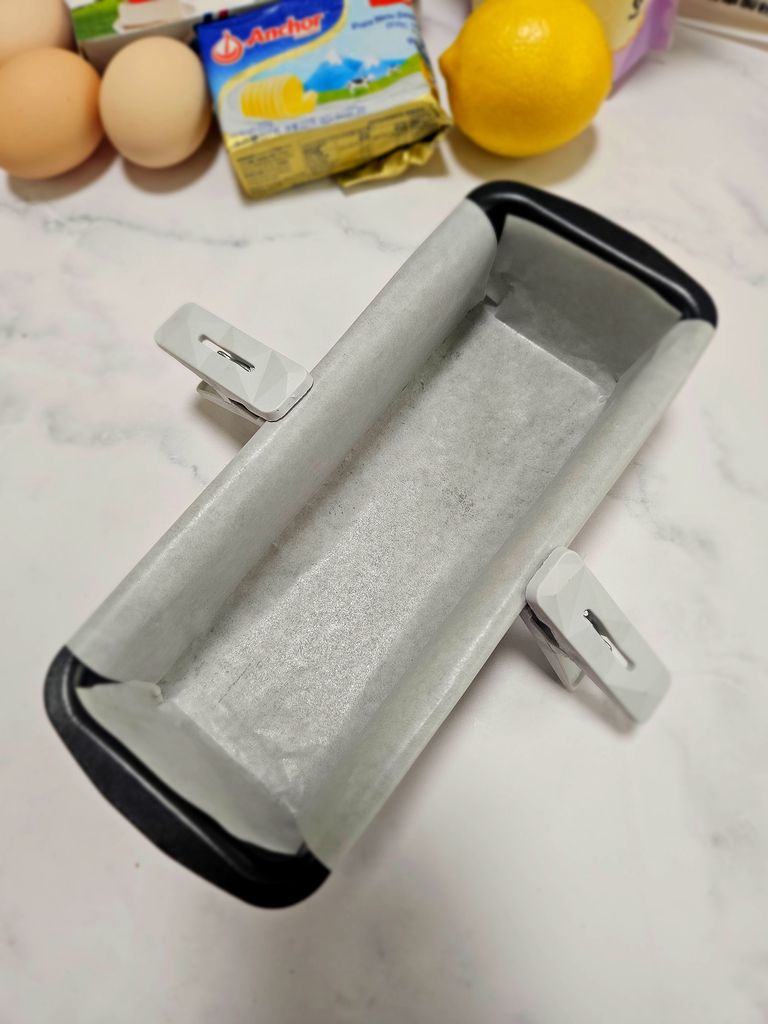
Prepare the tin with parchment paper Soften the butter and cream cheese and beat together until light and fluffy.
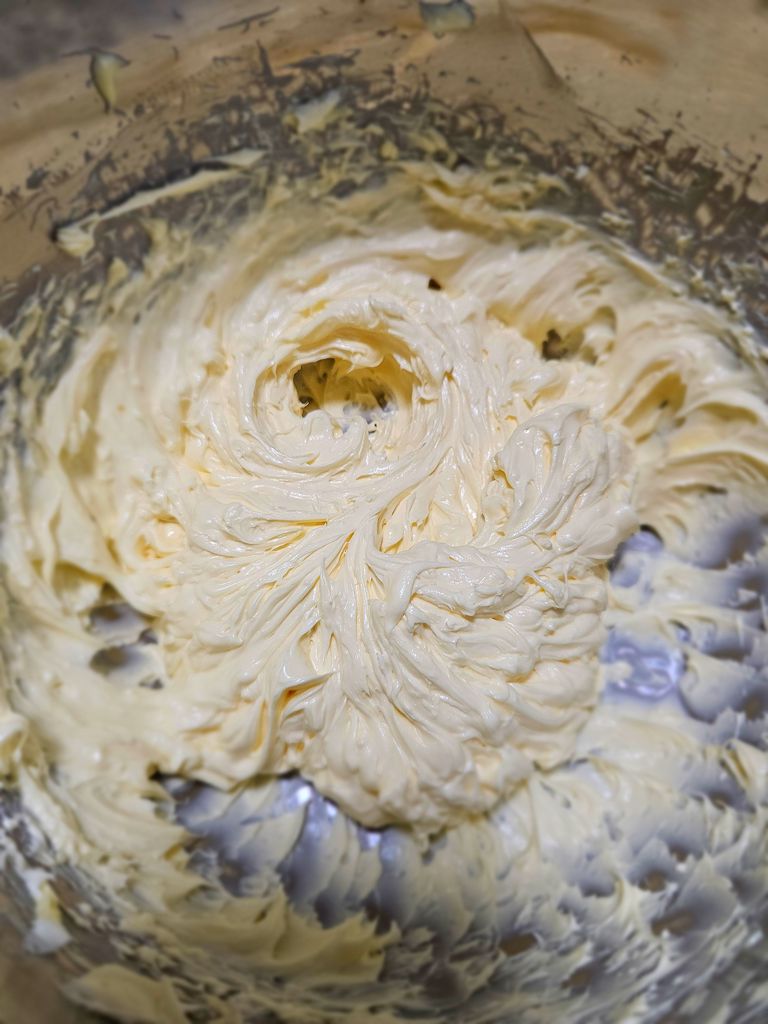
Since I am lazy, I am beating butter and cream cheese together instead of one by one. Add the lemon zest and caster sugar to the butter mixture, whip for 2–3 minutes until pale and creamy.
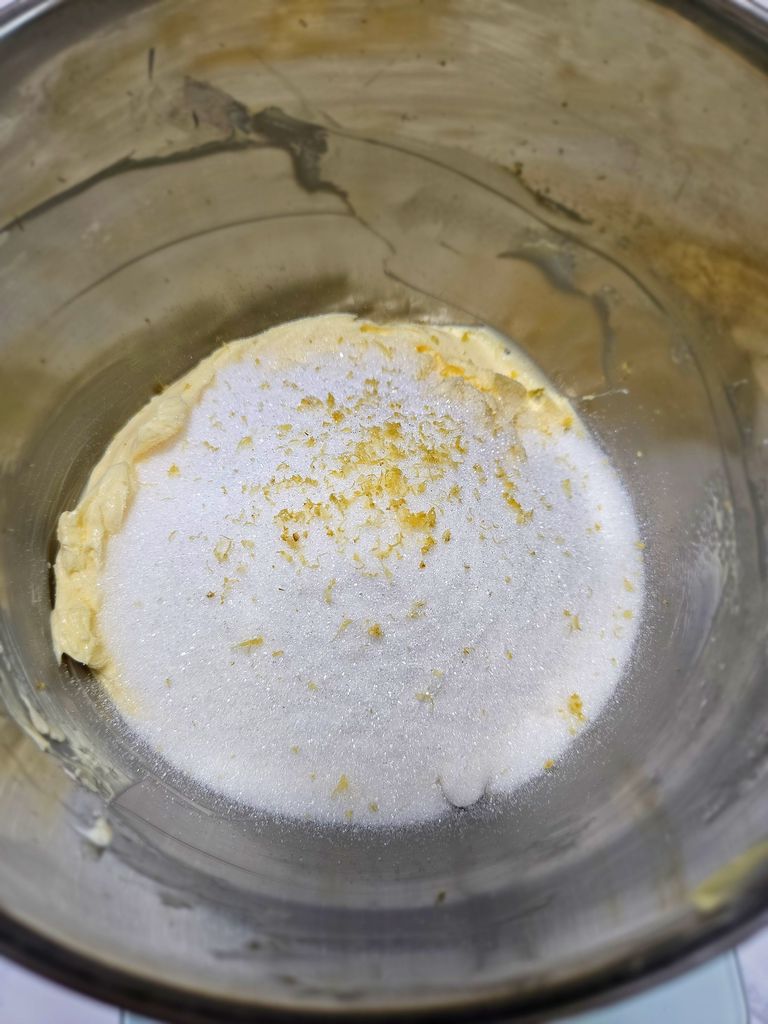
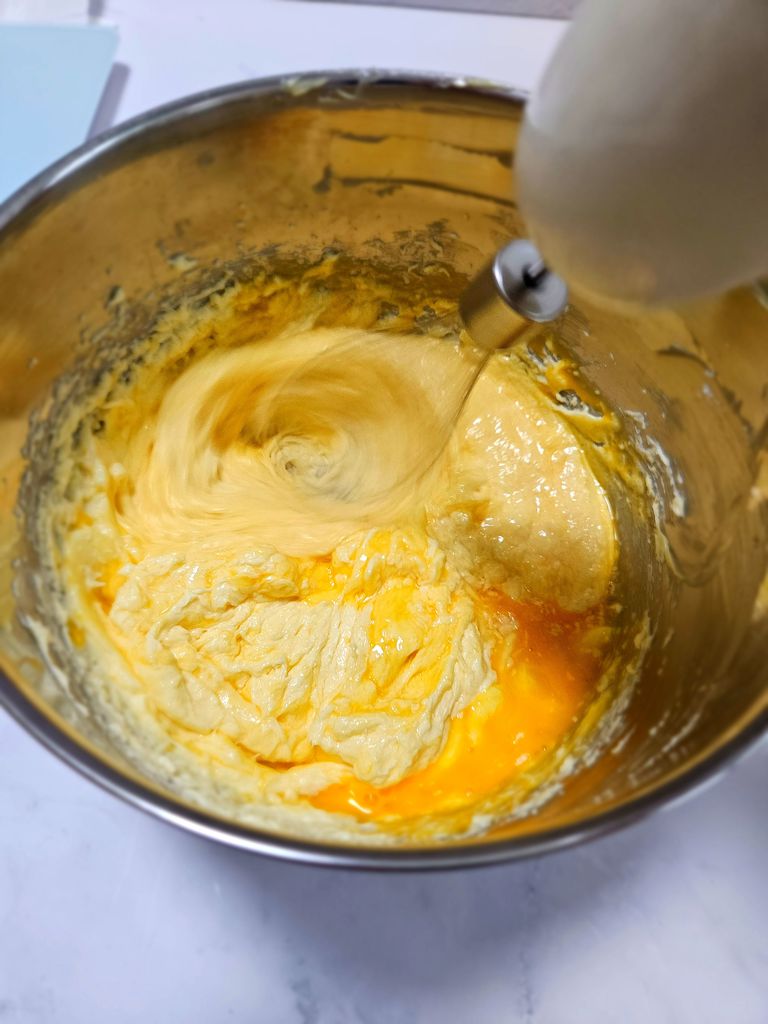
Lemon zest and sugar Lightly beat the eggs in a bowl, then gradually add 1/3 of the egg to the mixture, mixing well after each addition. Make sure be patient with the beating so that the egg can mix well into the batter.
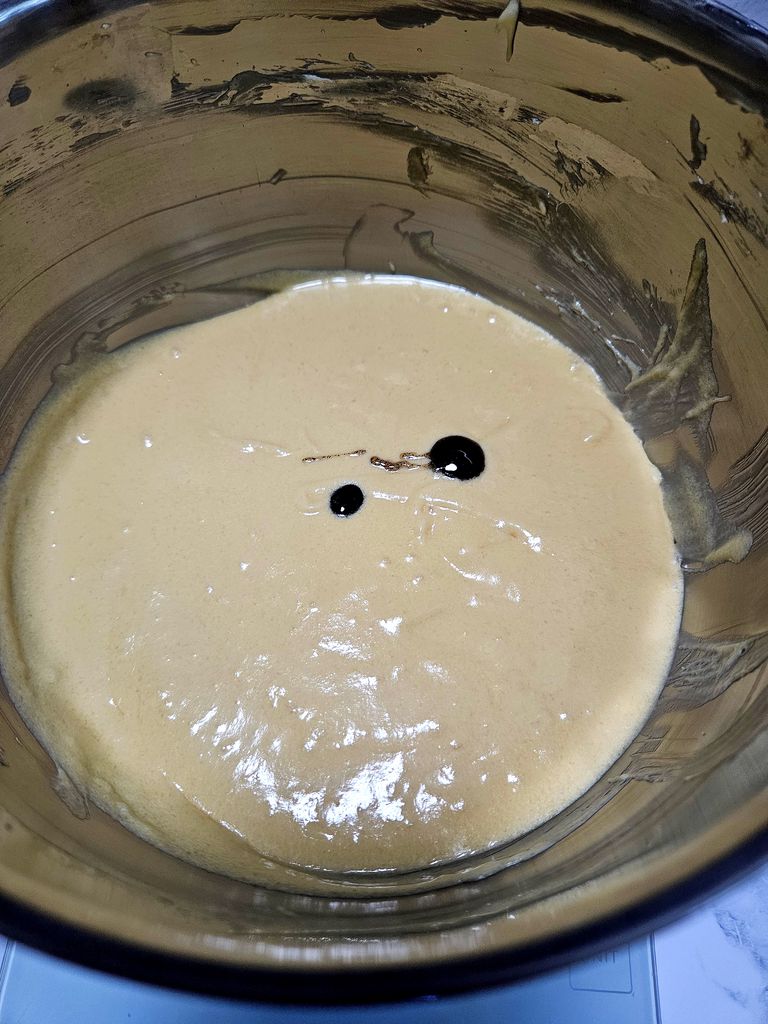
Adding and mixing the eggs Stir in vanilla extract.
Adding and mixing the vanilla In another bowl, mix flour, baking powder, and salt. Sift in the dry ingredient to wet ingredient. Fold gently until just combined. Do not overmix.
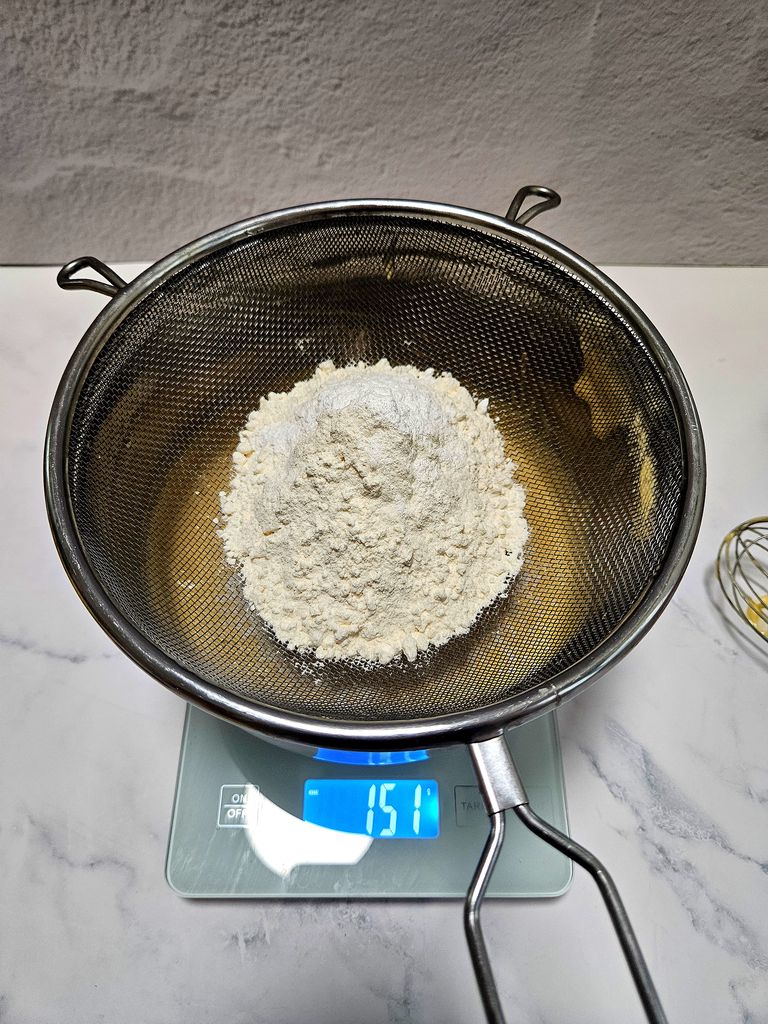
Sieving in the dry ingredient 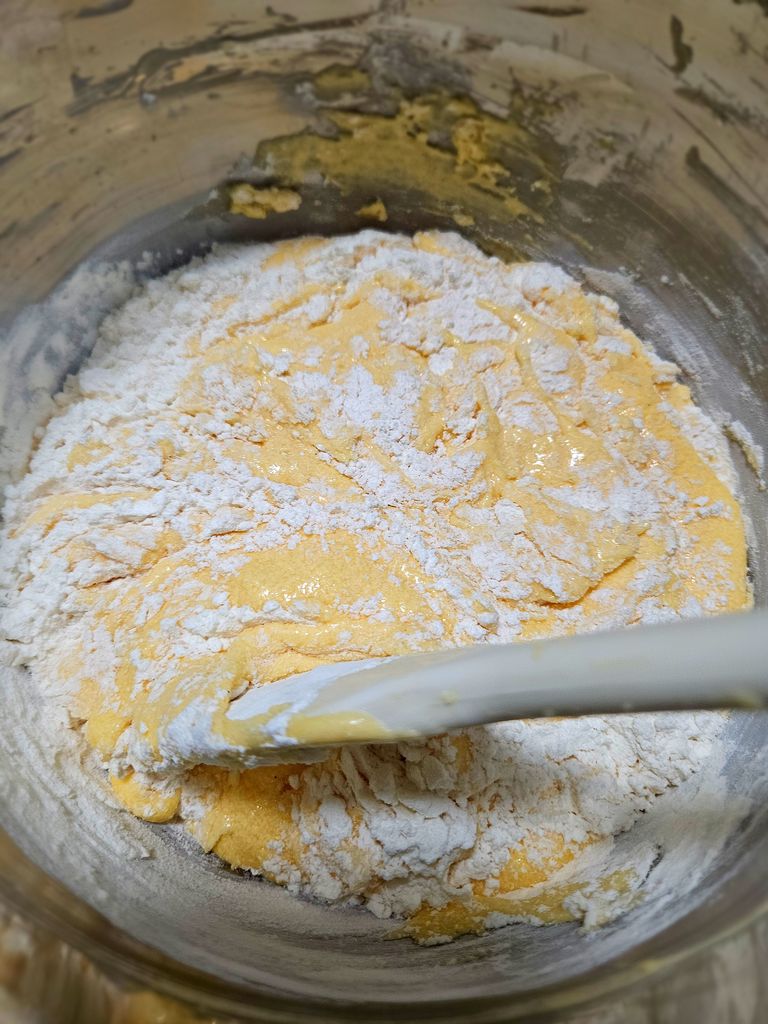
Gently folding the batter What will happened if you overmix?The main enemy here is gluten development. Flour contains proteins (gliadin and glutenin) that form gluten when mixed with liquid — the more you stir/agitate, the stronger and more elastic that gluten network becomes.
The batter develops too much gluten → the baked result turns dense, tough, chewy, or rubbery (more like a dense bread than a light cake).
Fill the prepared tin evenly with the batter.
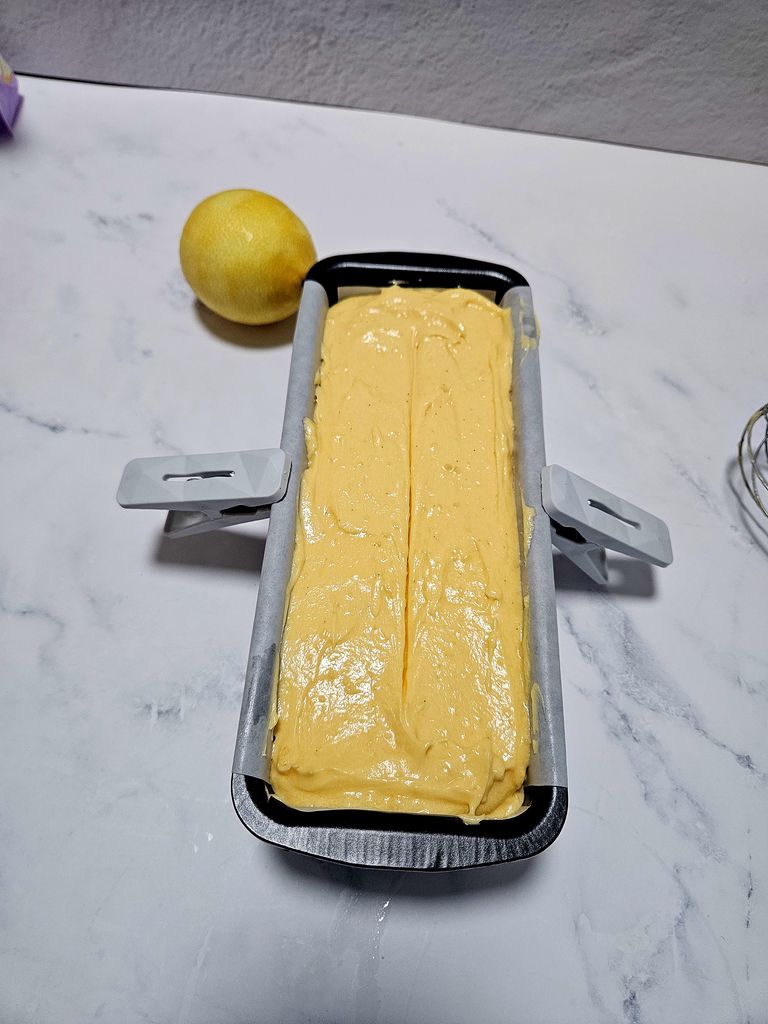
Adding and mixing the eggs Bake at 170°C for 10 minutes, then reduce temperature to 150°C and bake for 30–50 minutes, or until a skewer inserted into the center comes out clean.
Allow the cake to cool completely before removing from tin and slicing.


The secret to a good pound cake is temperature and technique:
- Use room-temperature ingredients
- Cream the butter and sugar well for lift
- Fold in the flour gently so you don’t overwork the batter
What will happened if you use cold ingredients?
Using cold ingredients in pound cake:
- Cold butter → poor creaming → less air trapped → denser, heavier cake.
- Cold eggs → batter often curdles/splits → uneven emulsion → coarse or gummy texture.
- Cold liquids → colder batter → slower, uneven baking → can be dry or underdone in center.
Result: Usually a much denser, heavier, less tender pound cake with a coarser crumb instead of the classic fine, velvety texture.
Room-temp ingredients = better emulsion + more air = moister, more tender pound cake.
Worth the wait if you want the best result! 🧈🍰
Result#


Recipe#
Lemon Cream Cheese Pound Cake
Ingredients
- 145 g soft unsalted butter
- Zest of 1 small lemon
- 90–95 g cream cheese
- 205 g caster sugar
- 3 medium eggs
- 145 g plain flour
- 1 g baking powder
- pinch salt
- 5 ml vanilla extract
- Icing sugar, for dusting
Instructions
- Preheat oven to 170°C.
- Soften the butter and beat until light and fluffy.
- Add the cream cheese, and beat until smooth and fluffy.
- Add the lemon zest and caster sugar to the butter mixture, whip for 2–3 minutes until pale and creamy.
- Lightly beat the eggs in a bowl, then gradually add them to the mixture, mixing well after each addition.
- Stir in vanilla extract.
- Sift in flour, baking powder, and salt. Fold gently by hand until just combined. Do not overmix.
- Fill the prepared tin evenly with the batter.
- Bake at 170°C for 10 minutes, then reduce temperature to 150°C and bake for 30–50 minutes, or until a skewer inserted into the center comes out clean.
- Allow the cake to cool completely before removing from tin and slicing.
- (Optional) Dust with icing sugar before serving.
Nutrition Facts
Servings 1 slice
Amount Per Serving
% Daily Value *
* Percent Daily Values are based on a 2,000 calorie diet.
Your daily value may be higher or lower depending on your calorie needs.


Storage#
Room temperature (best overall for flavor & texture): Cool the cake completely (at least 2–3 hours) to let steam escape and prevent sogginess. Wrap it tightly in plastic wrap (or foil), then pop it in an airtight container or zip-top bag. Keep it in a cool, dry spot away from heat/sun/humidity.
This keeps it moist and tender without drying out. Many bakers say pound cake actually tastes best 1–2 days after baking — the flavors deepen, the moisture redistributes evenly, and the crumb relaxes for a silkier, more melded taste. Fresh from the oven is delicious, but day 1–2 often hits peak perfection before it starts to stale slowly.
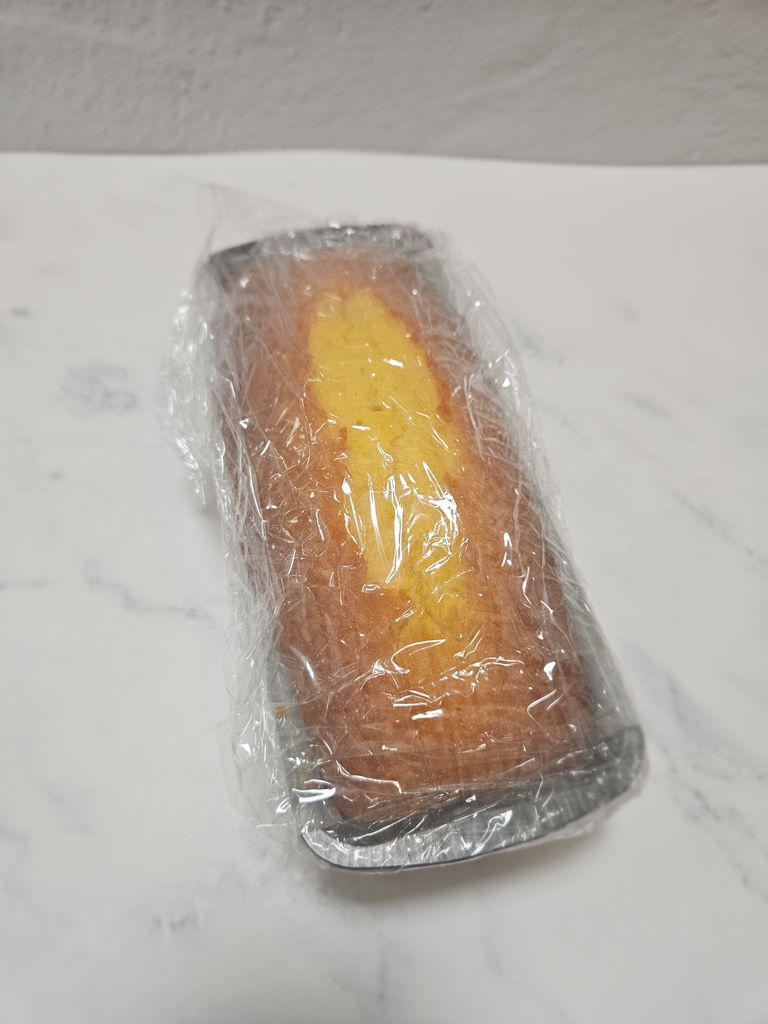
Wrapping the cake Fridge (if needed for 5–7+ days): If it’s super hot/humid or you want longer storage, use the same tight wrap + airtight container. The cold can make the butter firm up, so the texture might feel a tad drier or less velvety — always let slices come to room temperature (30–60 min) before eating to bring back the best flavor and softness.
Freeze (for weeks/months): Cool fully → wrap tightly in plastic wrap, then foil or freezer bag (double up to avoid freezer burn). Slice first if you want easy portions. It lasts 3–4 months with great quality (flavor holds well). Thaw overnight in the fridge or at room temp, then unwrap to prevent condensation. Warm slices gently if you like.

Frequently Asked Questions#
How do I know when the cake is done?
Insert a skewer or toothpick into the center of the cake. It’s done when it comes out clean or with a few dry crumbs (wet batter means it needs more time).
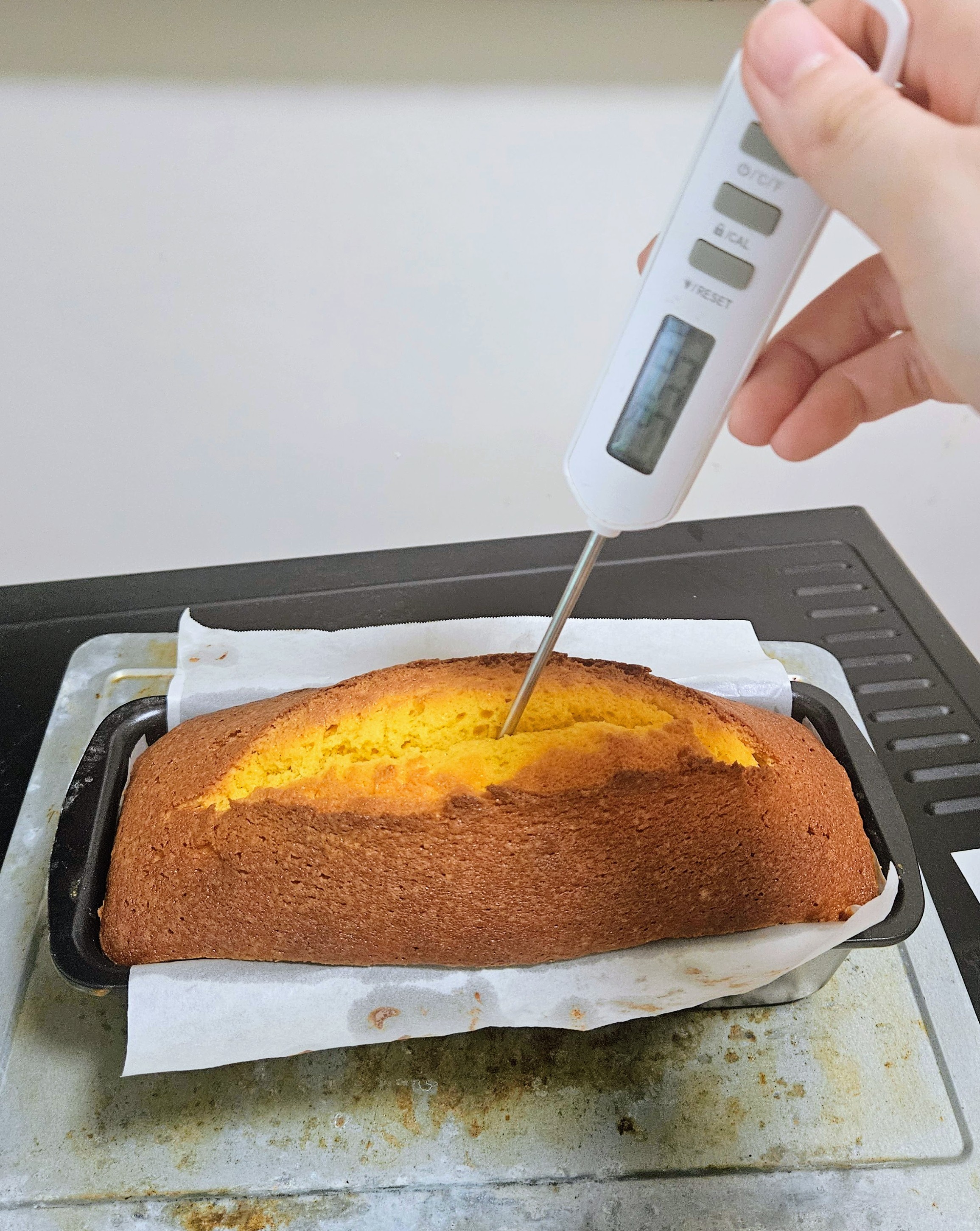
For extra accuracy, use a food thermometer: a fully baked pound cake typically registers 93–99°C (200–210°F) in the center. Start checking at the lower end of the bake time to avoid overbaking.