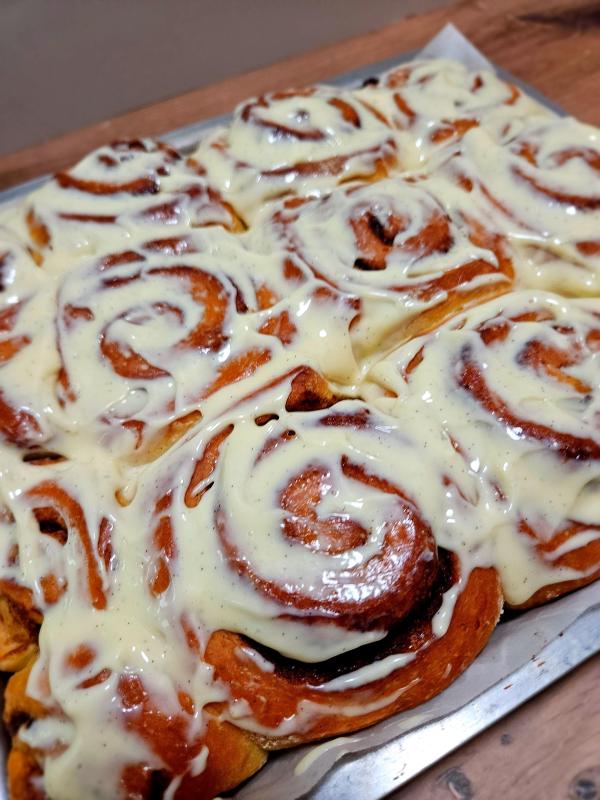
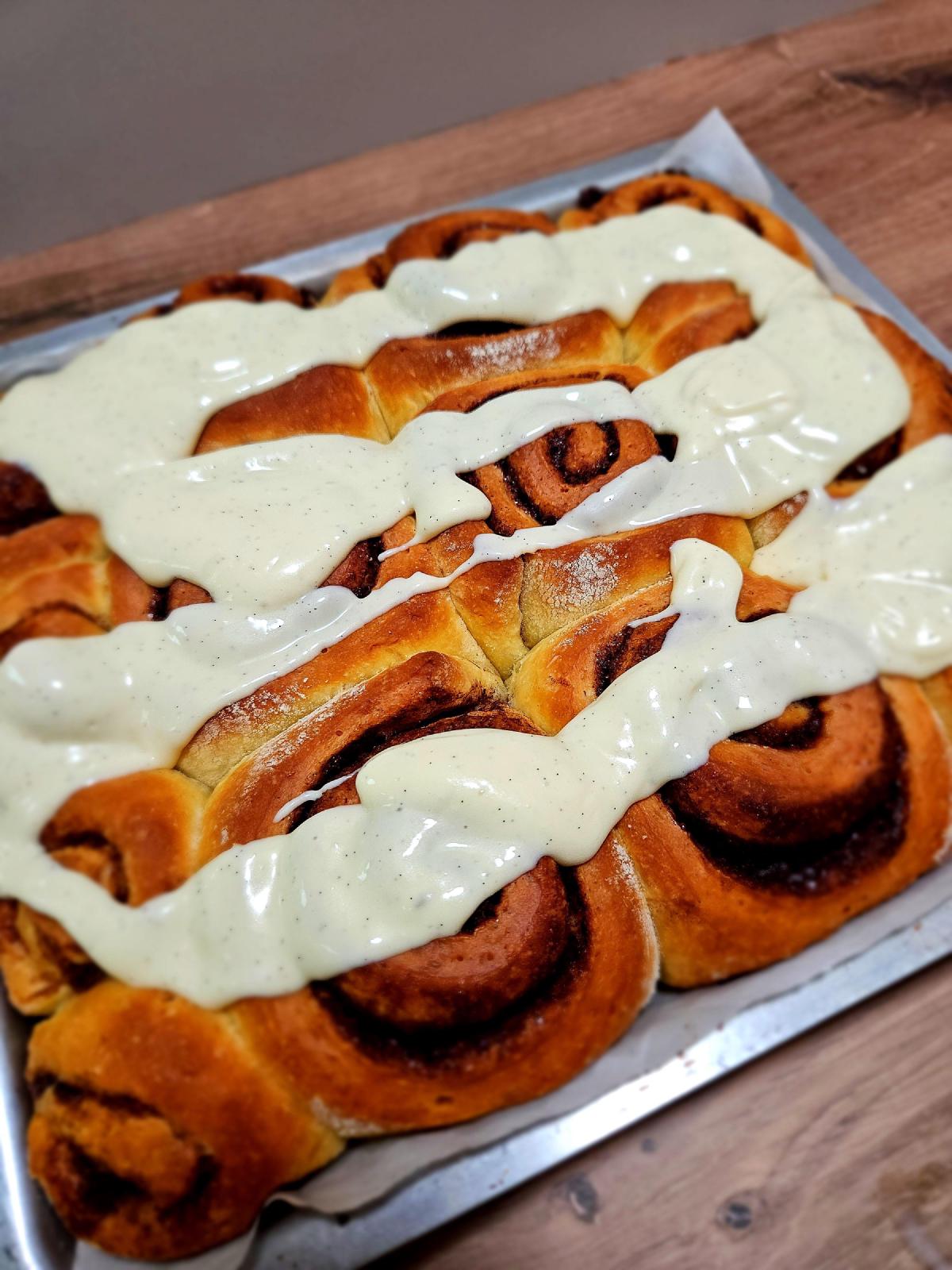

Looking for a cream cheese glaze that has no powdered sugar but keeps that signature tangy flavor? This Cream Cheese Honey Glaze is the perfect solution. Sweetened naturally with honey, it offers bright, floral sweetness that pairs wonderfully with the creamy tang of real cream cheese.
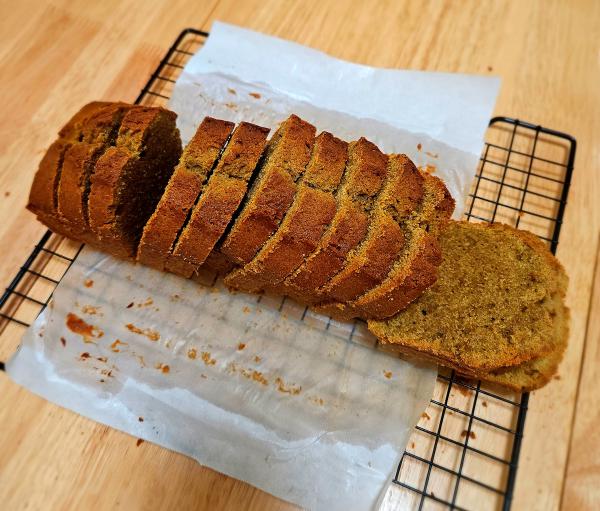
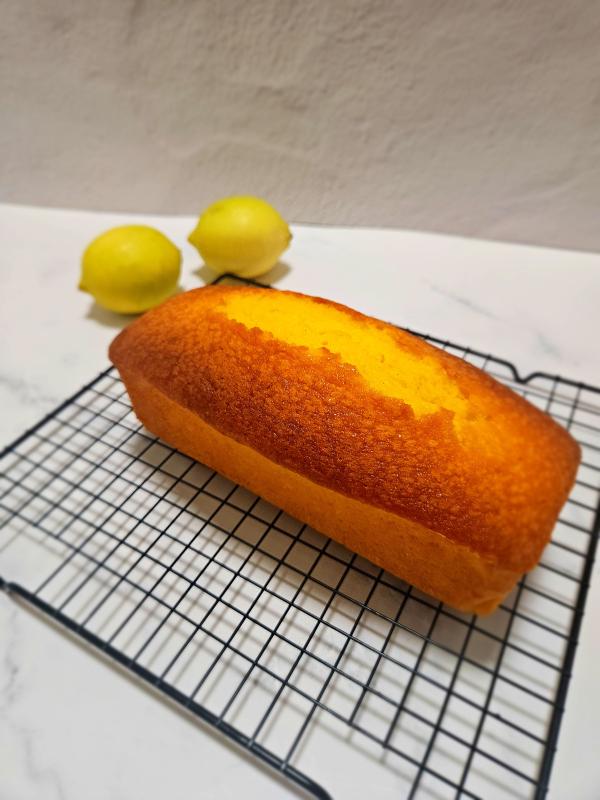
Many bakers (I mean me) say this version tastes even better than the traditional one. It is less cloying, more balanced, and with lovely depth from the honey. It’s ideal for drizzling over cinnamon rolls, pound cakes, carrot cakes, bundt cakes, or fresh fruit desserts.
Also you can always control the sweetness while mixing, making it a low sugar healthy choice!

Why You’ll Love This Cream Cheese Honey Glaze#
- No powdered sugar: Naturally sweetened with honey for a refined-sugar-free option.
- Real cream cheese tang: Keeps the classic flavor you crave without being overly sweet.
- Customizable consistency: Easily adjust from thick frosting to thin glaze.
- Quick and easy: Ready in about 10 minutes with simple ingredients.
- Versatile: Perfect topping for cakes, cupcakes, scones, or even as a fruit dip.
Cream Cheese Honey Glaze Ingredients#

- Cream cheese (120 g): delivers the signature tangy flavor and creamy body. Use full-fat and let it soften fully to room temperature.
- Honey (3–4 tbsp): Provides natural sweetness with subtle floral notes. Start with less and taste as you go.
Honey is an invert sugar (mostly fructose + glucose), already broken down and highly soluble. Powdered sugar is sucrose with ~3% cornstarch, which can leave a starchy aftertaste and absorb moisture differently. Honey dissolves seamlessly into cream cheese’s water-fat matrix for a cleaner, silkier texture.
Hygroscopic properties of honey: Honey naturally attracts and retains moisture, helping the glaze stay smooth and preventing the cake from drying out as quickly. This makes it excellent for drizzling over baked goods that benefit from extra humidity.
You would call your love ones Honey, but not powdered sugar.
- Butter (20–30 g, optional): Adds extra richness and helps create a more luxurious mouthfeel.
- Milk (1–2 tbsp): Adjusts the thickness so you can make it spreadable or pourable.
- Vanilla, salt & lemon juice: Enhance and balance the overall flavor profile.
Step-by-Step Instructions with Tips#
Prepare the base: Place the very softened cream cheese (and butter if using) in a mixing bowl. Beat until completely smooth and lump-free.
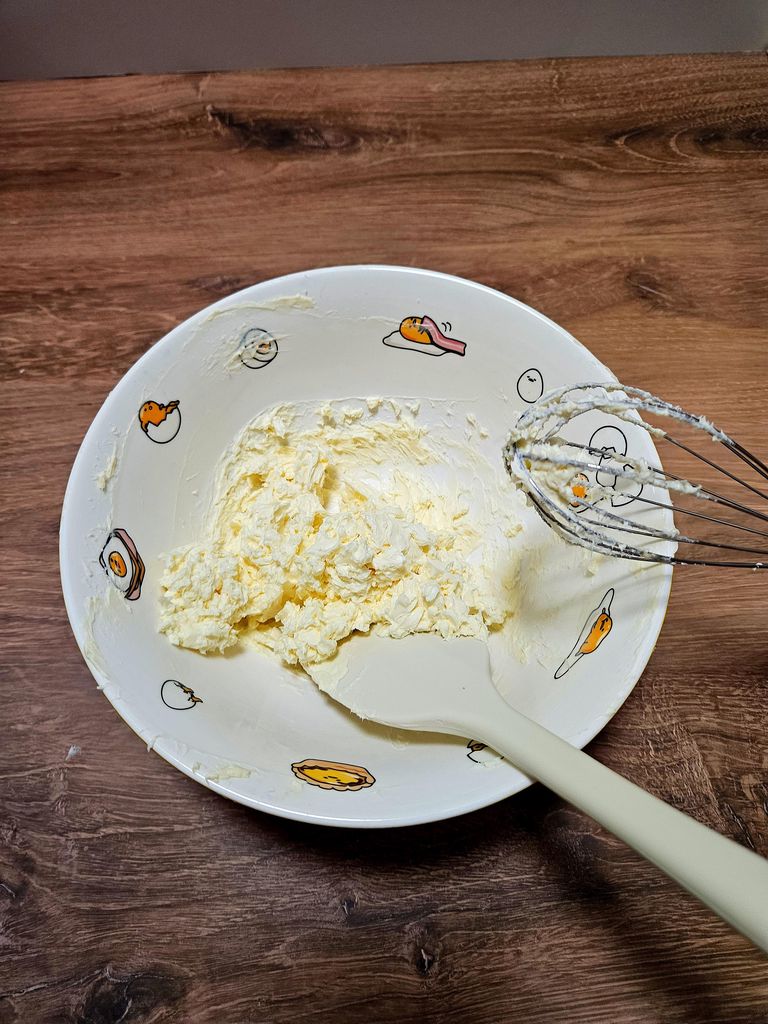
Beating softened cream cheese (and optional butter) until smooth and lump-free. Incorporate the honey: Add honey gradually while beating continuously for 3–5 minutes until fully incorporated and creamy.
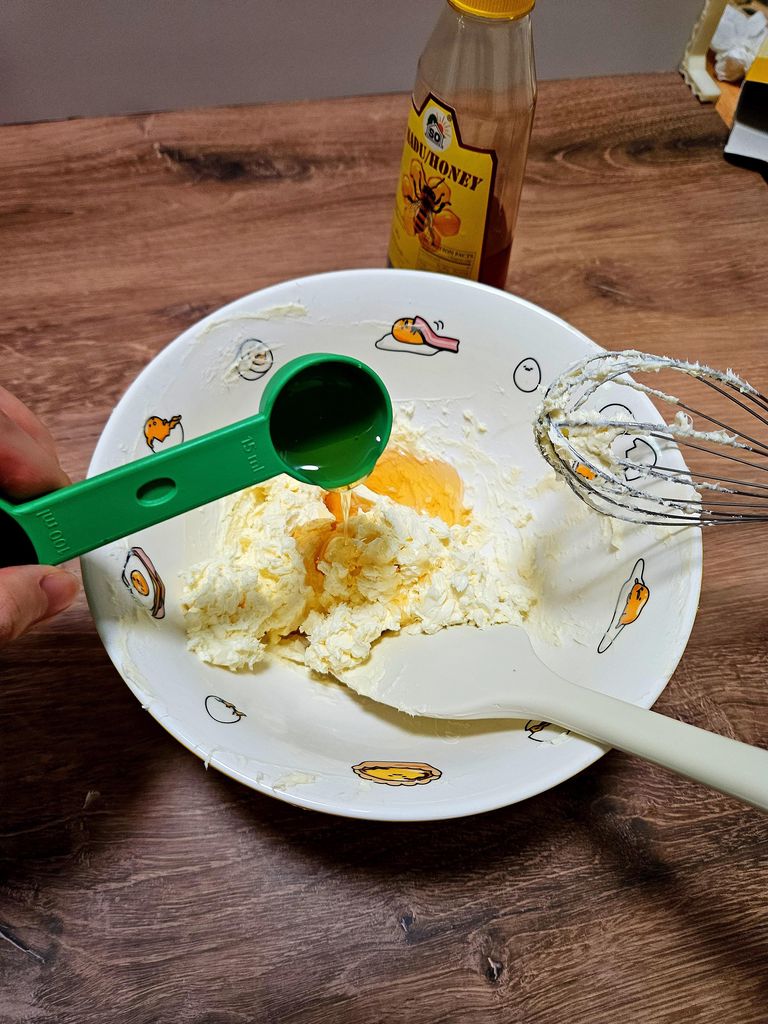
Gradually adding honey while beating the mixture. Add flavorings: Stir in the vanilla extract, pinch of salt, and optional lemon juice.
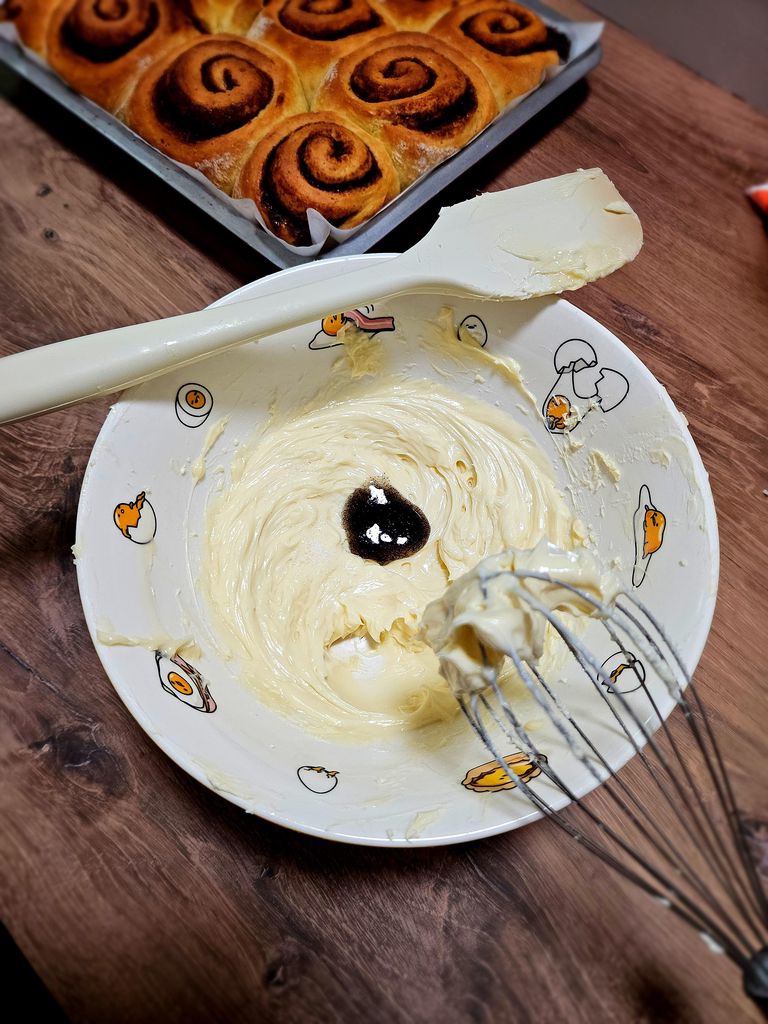
The vanilla extract I used contains vanilla flecks, that’s why you see black dot in my glaze Adjust consistency: Add milk one tablespoon at a time, beating after each addition, until you reach the perfect texture — thicker for spreading or thinner for drizzling.
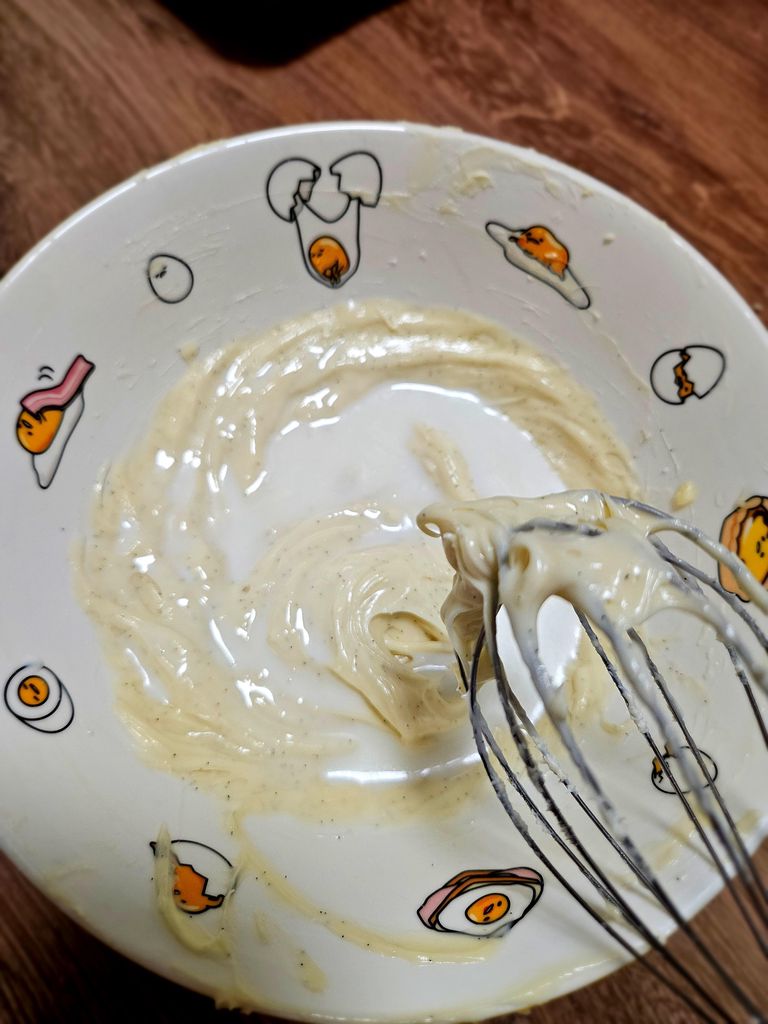
Adding milk one tablespoon at a time to reach desired glaze consistency. 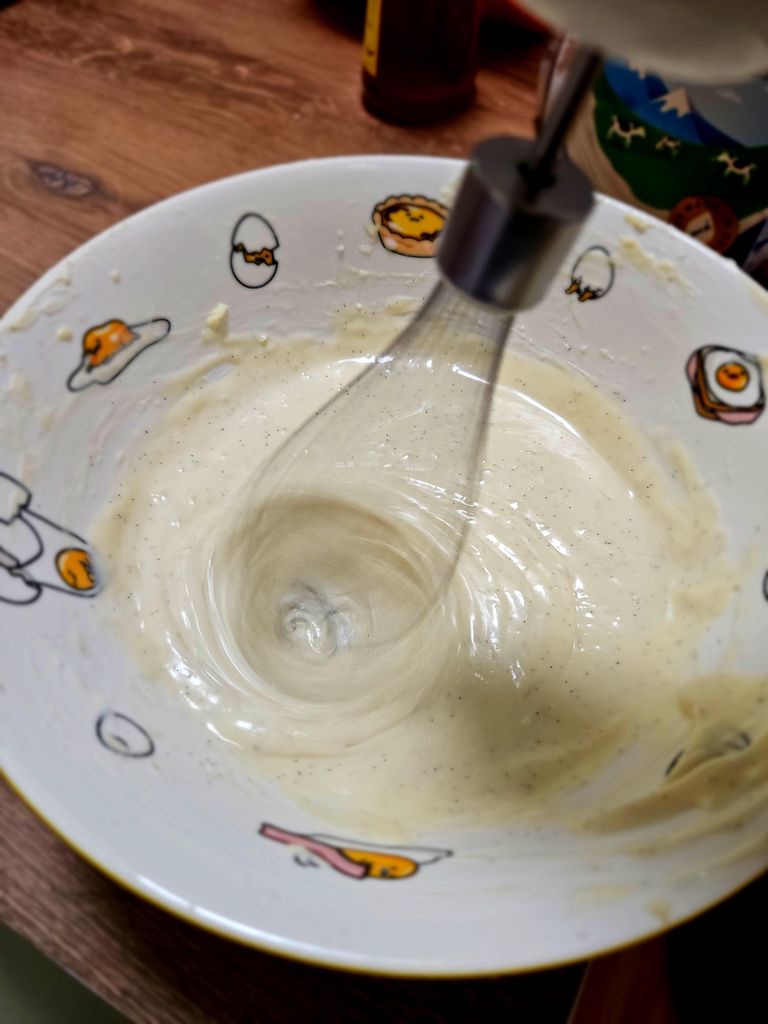
Creamy, silky glaze after thorough beating. Chemistry of MixingCream cheese is an oil-in-water emulsion stabilized by casein proteins. Room-temperature ingredients and extended beating (3–5 minutes) incorporate air, fully hydrate the proteins, and create a stable, lump-free colloid. Cold ingredients or short mixing cause graininess because honey’s natural acidity (pH ~3.7) can shock the casein if not gradually emulsified (cream cheese prefers pH ~4.9).
Extended beating isn’t just for smoothness—it mechanically reinforces the emulsion, trapping tiny air bubbles for that luxurious, spreadable mouthfeel.
Rest and use: Let the glaze sit for 5 minutes so the flavors meld and it becomes even smoother. Use immediately or store in the fridge.


The longer you beat the mixture, the smoother and creamier it becomes. Room-temperature ingredients are essential for the best results.
Why beat for several minutes?
Honey can sometimes feel slightly grainy at first. Extended beating incorporates air and fully dissolves the honey into the cream cheese, resulting in a much silkier mouthfeel.
Recipe#
Cream Cheese Honey Glaze (Without Powdered Sugar!)
Ingredients
- 120 g cream cheese, very softened to room temperature
- 3–4 tbsp honey (start with 3 tbsp and adjust to taste)
- 20–30 g butter, softened (optional, for extra richness)
- 1–2 tbsp milk (to adjust consistency)
- ½ tsp vanilla extract
- pinch of salt
- ½ tsp lemon juice (optional, for brighter flavor)
Instructions
- Place the very softened cream cheese (and softened butter, if using) in a mixing bowl. Beat until completely smooth and lump-free.
- Add the honey gradually (start with 3 tbsp) while continuing to beat. Mix for 3–5 minutes until fully incorporated and creamy.
- Stir in the vanilla extract, pinch of salt, and optional lemon juice until evenly combined.
- Add milk one tablespoon at a time, beating after each addition, until the glaze reaches your desired consistency — thicker for spreading or thinner for drizzling.
- Let the glaze sit for 5 minutes at room temperature. It will continue to smooth out and the flavors will meld.
Nutrition Facts
Servings 1 tbsp
Amount Per Serving
% Daily Value *
* Percent Daily Values are based on a 2,000 calorie diet.
Your daily value may be higher or lower depending on your calorie needs.


Storage and Make-Ahead Tips#
- Refrigerator: Store in an airtight container for up to 5–7 days. Let it sit at room temperature for 15–20 minutes and stir well before using. Add a splash of milk if needed to restore consistency.
- Make-ahead: Prepare up to 2 days in advance. The flavors actually improve after resting.
Frequently Asked Questions#
Can I make this glaze completely refined-sugar-free?
Why is my glaze grainy? How do I fix it?
What can I use this cream cheese honey glaze on?
Is this glaze as sweet as traditional cream cheese frosting?
Can I add other flavors?
Absolutely! Try a pinch of cinnamon, lemon zest, or even a touch of orange extract. Adding cinnamon also compounds and can enhance perceived sweetness.
If you add a bit more butter. It increases fat content for better mouthfeel and stability.