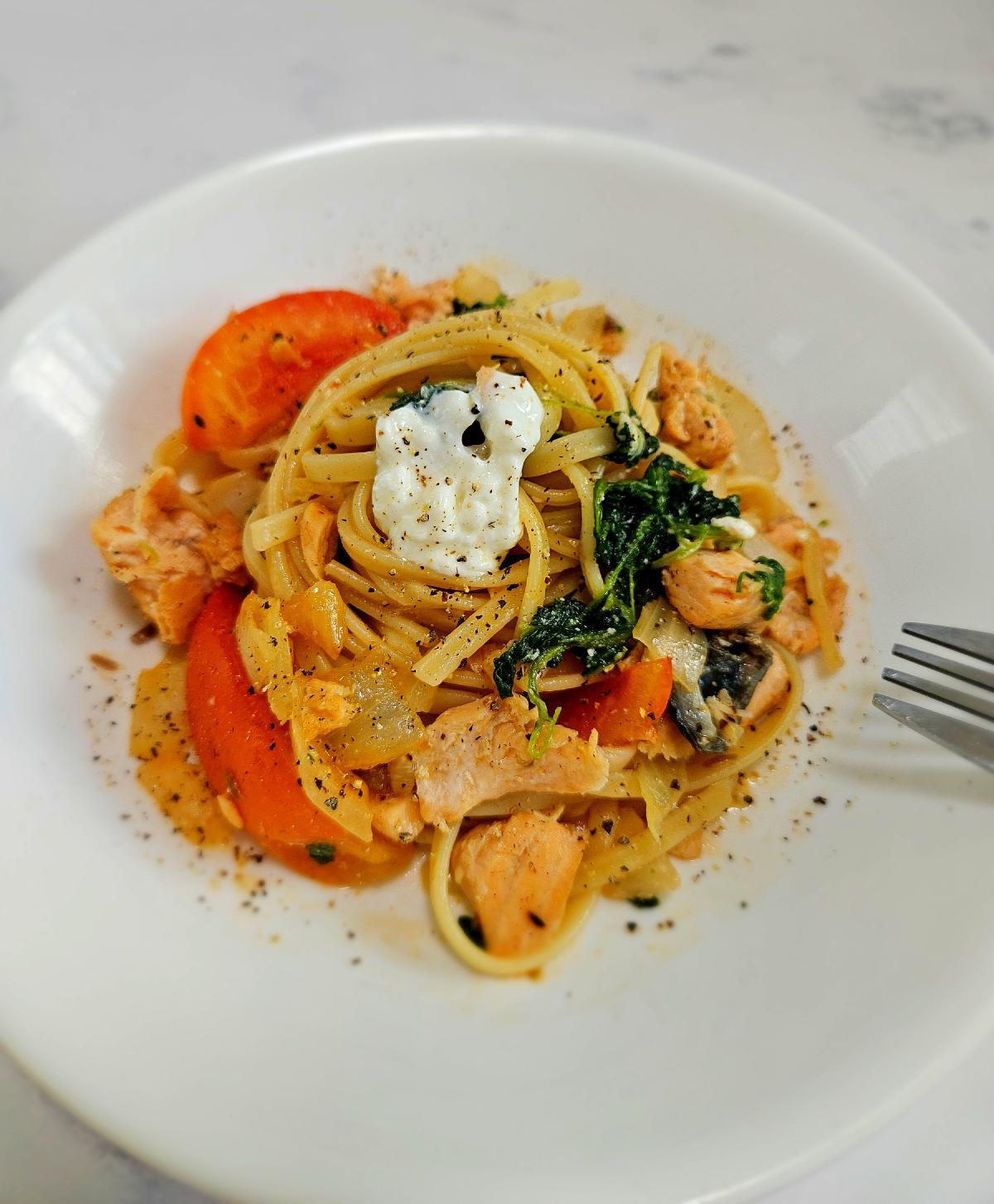

If you want a healthy, creamy salmon pasta that actually delivers on both flavor and nutrition, this high-protein version hits the sweet spot. At around 600 kcal with ~45g of protein, it uses cottage cheese to create a light yet luxurious sauce, loads of spinach and onion for volume and micronutrients, juicy tomatoes, and tender seared salmon.
The science is simple: starchy pasta water + cottage cheese = natural emulsified creamy sauce without heavy cream. Adding spinach at the very end preserves chlorophyll and keeps the color vibrant.

Why You’ll Love This Recipe#
- High protein (~45g): Salmon + cottage cheese keep you full for hours.
- Balanced macros: Good carbs from pasta, healthy fats from salmon and olive oil, plenty of vegetables.
- Customizable creaminess: Blend more or less depending on texture preference.
- Weeknight friendly: On the table in 25 minutes.
Ingredients#

- Dry pasta (60g): Provides satisfying carbs and a vehicle for the sauce.
- Salmon fillet (120g): Excellent source of high-quality protein and anti-inflammatory omega-3 fatty acids.
- Low-fat cottage cheese (100g): The secret to high-protein creaminess.
- Fresh or frozen spinach (100g): Adds volume, iron, and vitamins with almost no calories.
- Tomatoes & onion: Natural sweetness and umami.
- Garlic + olive oil: Classic aromatic base.
Step-by-Step (with Photos)#
Defrost the salmon if frozen. Bring a pot of well-salted water to boil for the pasta.
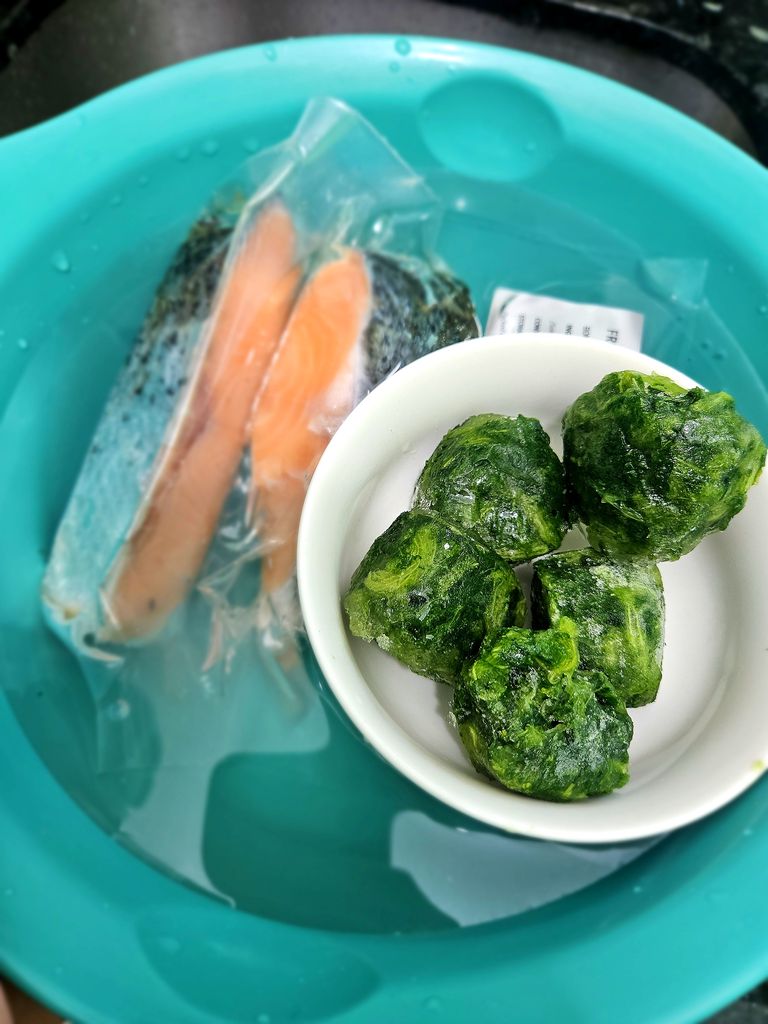
Defrosting salmon is easy, just dump it (with the package) in water 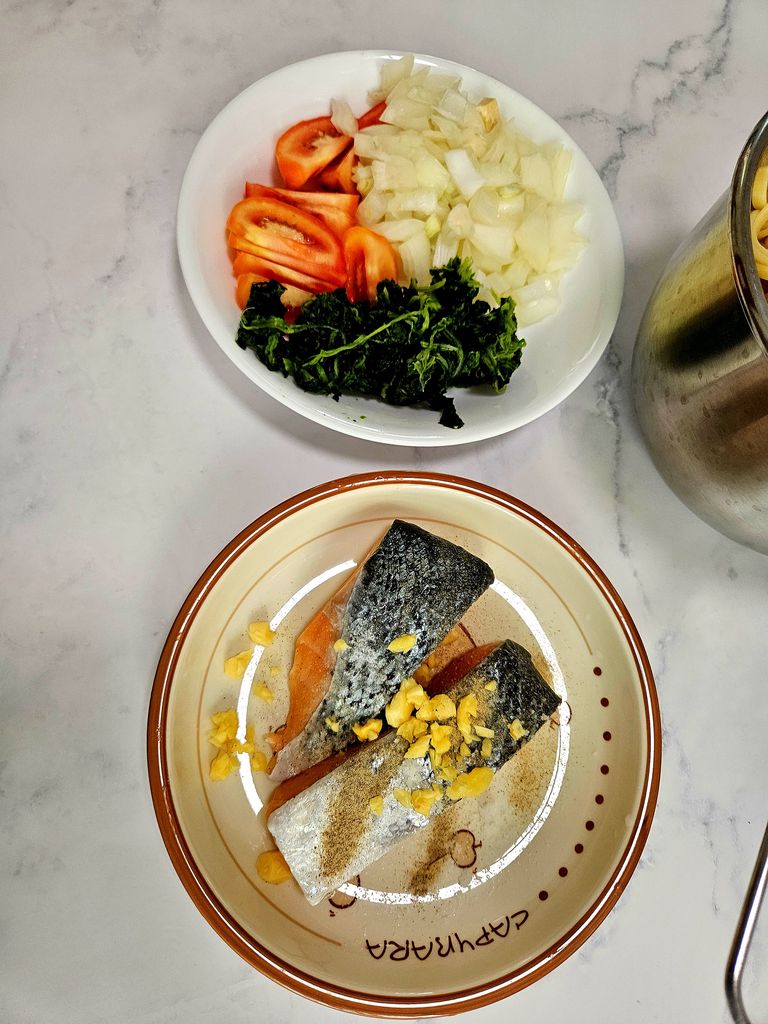
Dicing onion, tomatoes, garlic and seasoning the salmon fillet with salt, white pepper and garlic Cook the pasta: Boil according to package (about 10 minutes). Reserve 50 ml of the starchy pasta water before draining — this is crucial for the creamy sauce.
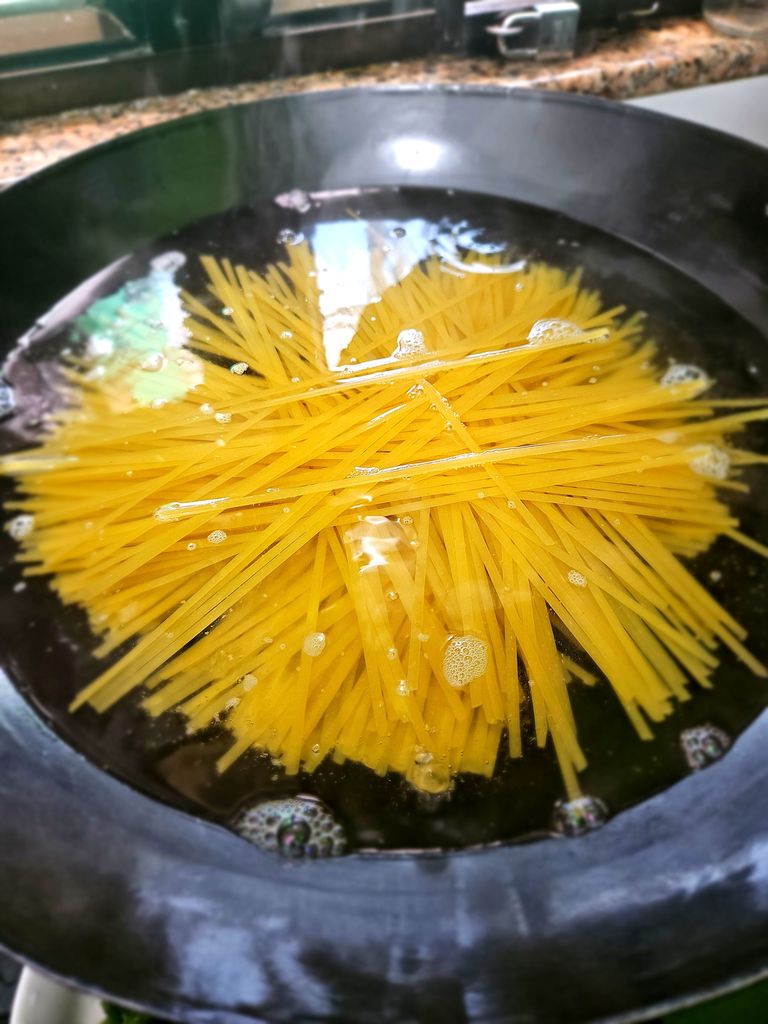
Boiling the pasta. As an Asian cook, my big wok is perfect for this — plenty of space to toss long pasta without snapping them in half. Highly recommended if you have one! 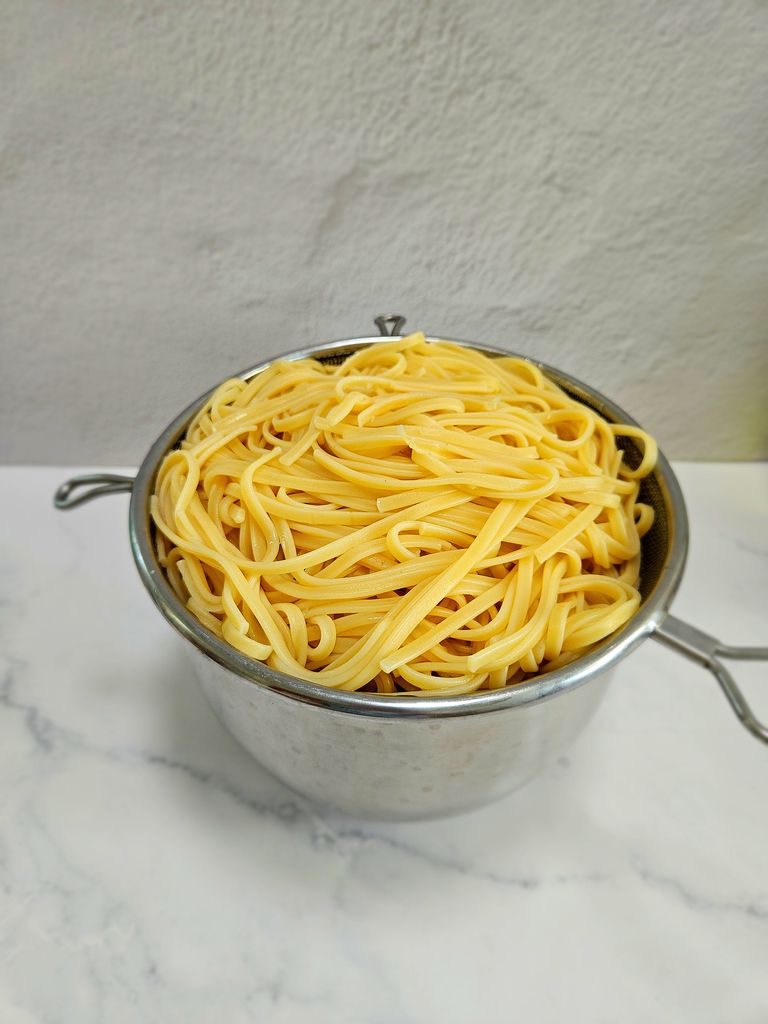
Reserving pasta water and draining Sear the salmon: Heat 1 tsp olive oil in a large pan or wok. Season salmon with salt and pepper, sear 3–4 minutes per side until nicely browned and just cooked through. Remove and flake.
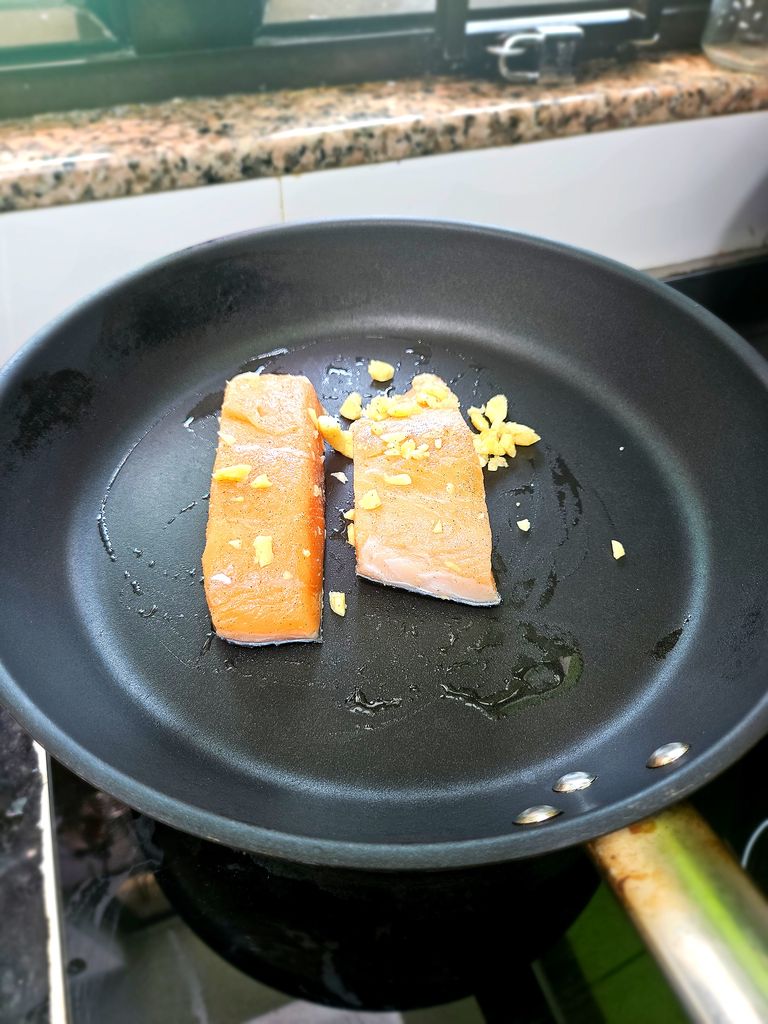
Searing the salmon fillet 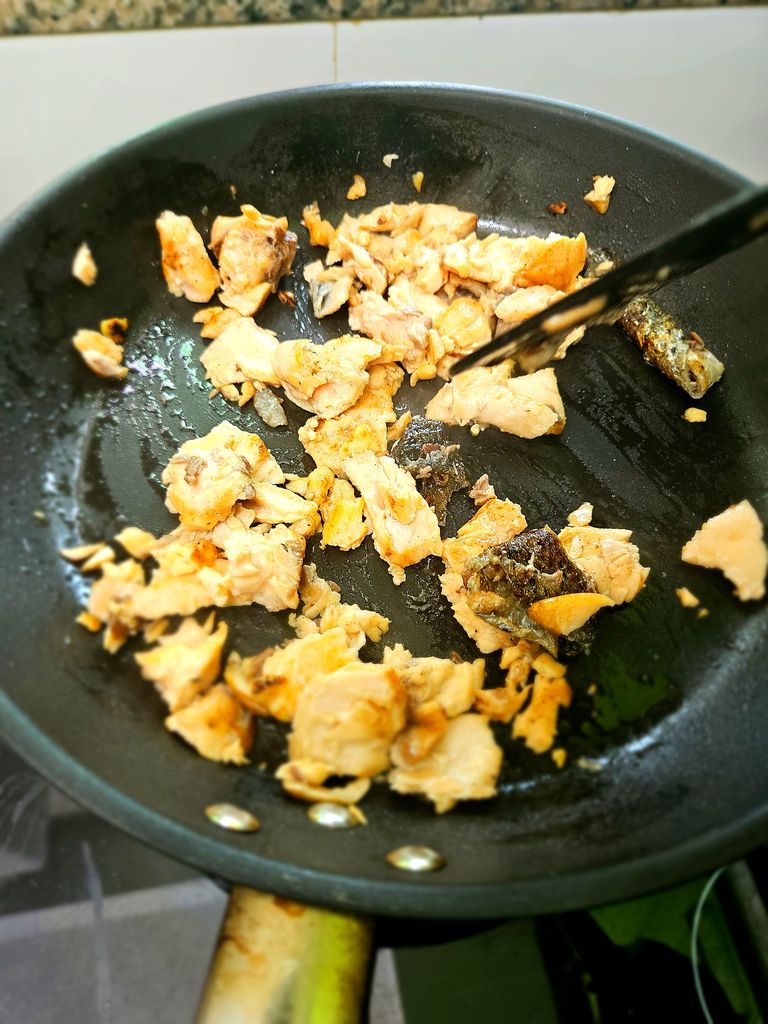
Flaking the cooked salmon. I just do it in the pan, it’s fine Cook the sauce: In the same pan, sauté onion, garlic, and tomatoes until softened. Add a spoonful of tomato sauce if you like extra savoriness.
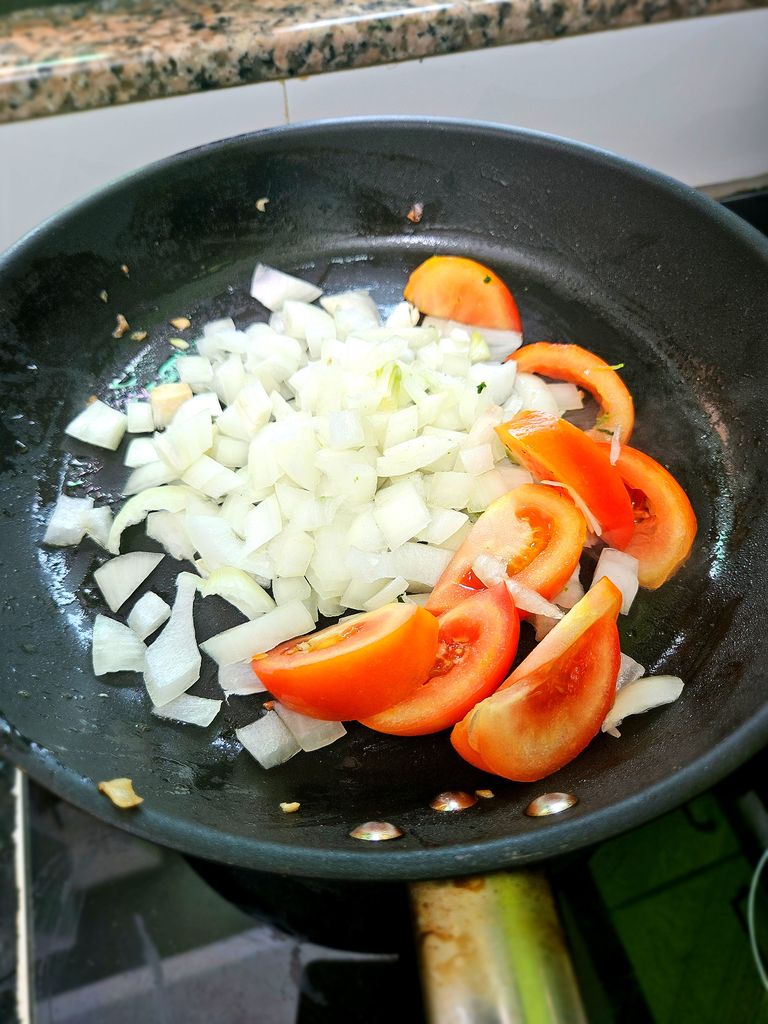
Sautéing onion, garlic, and tomatoes 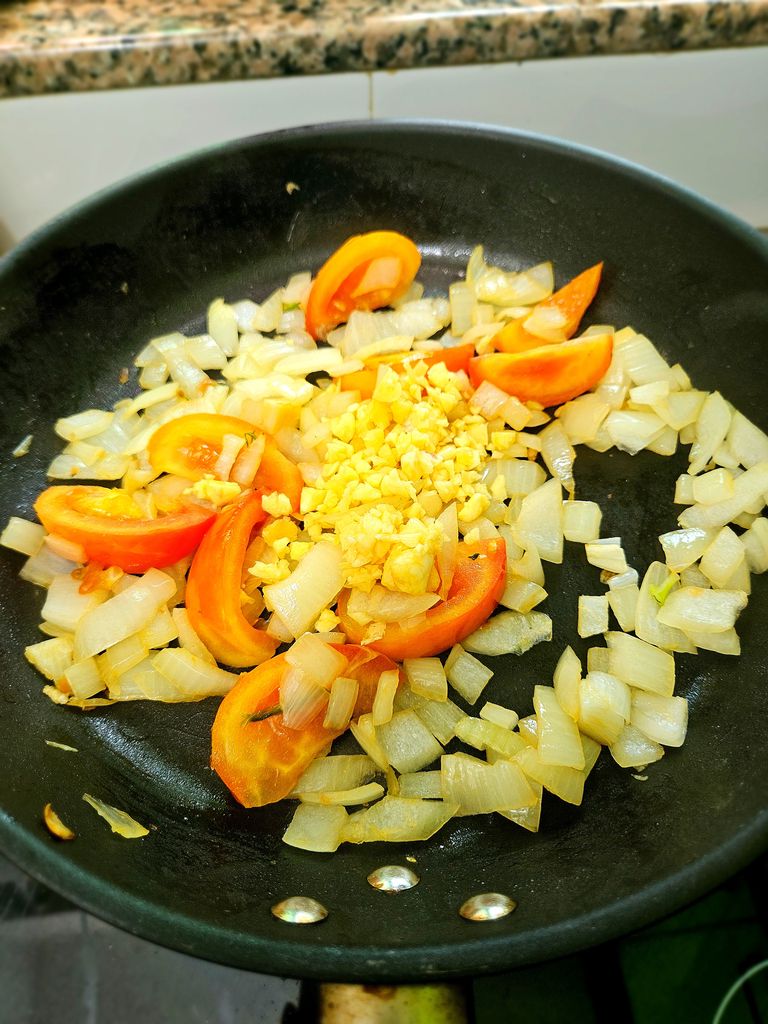
Cooking down the vegetables Toss in pasta and flaked salmon.
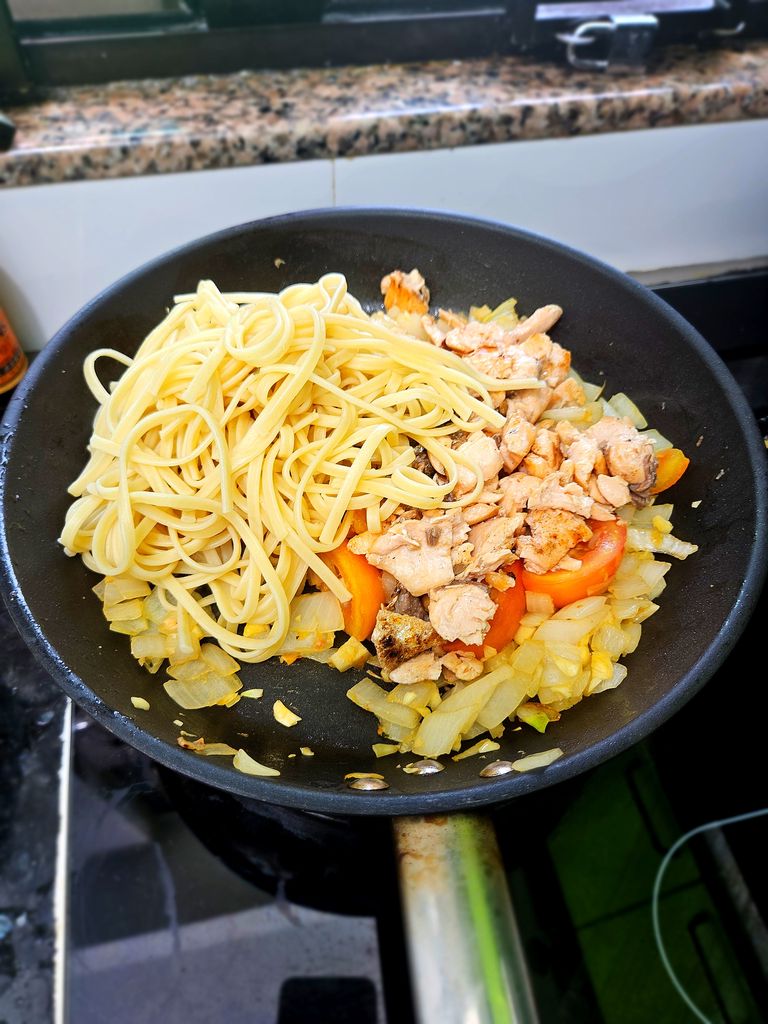
Tossing pasta and salmon into the sauce Combine everything: Add cottage cheese and reserved pasta water. Stir and gently mash/blend until silky. Then add spinach at the very end so it wilts gently without overcooking.
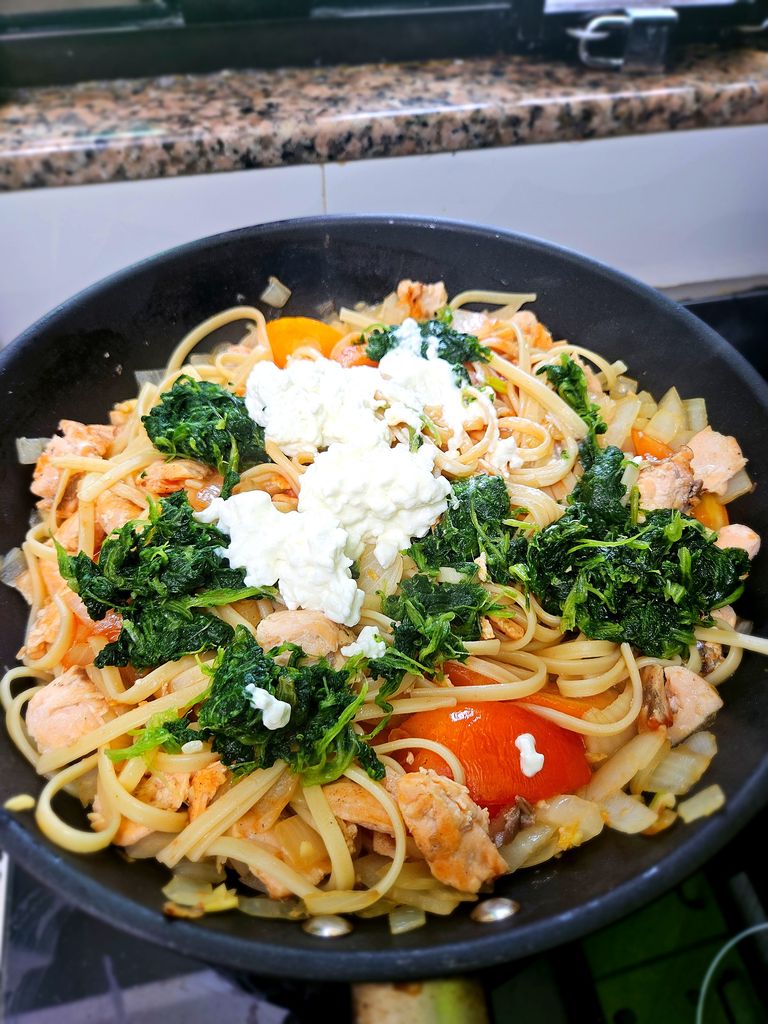
Adding cottage cheese to create the creamy sauce


Result#
The sauce clings beautifully to the pasta, the salmon stays tender and flaky, and the spinach adds freshness. A squeeze of lemon at the end brightens everything.

Why This Method Works#
- Cottage cheese sauce: The milk proteins and whey create an emulsion when mixed with starchy pasta water — similar to how classic Italian pasta al formaggio works, but higher in protein and lower in fat.
- Spinach timing: Chlorophyll breaks down with prolonged heat and acid, turning the leaves a dull dark green. Adding it last preserves the bright color and heat-sensitive nutrients.
- Salmon searing: High-heat sear develops Maillard browning for better flavor, then gentle finishing in the sauce keeps it moist.
Storage Tips#
Best eaten fresh. Leftovers can be refrigerated in an airtight container for up to 2 days. Reheat gently with a splash of water or milk to revive the sauce.
Recipe#
Healthy High Protein Creamy Salmon Pasta (600 kcal)
Ingredients
- 60 g dry pasta (spaghetti or your favorite shape)
- 120 g salmon fillet (skin-on or skinless)
- 100 g fresh spinach (or frozen, defrosted)
- 100 g tomatoes (cherry or regular, diced)
- 1/2 medium onion, diced
- 100 g low-fat cottage cheese
- 5 ml olive oil
- 1 garlic clove, minced
- tomato sauce or passata (1–2 Tbsp, to taste)
- Salt, black pepper, and lemon juice to taste
- 50 ml reserved pasta water
Instructions
- Defrost salmon if frozen. Boil pasta in well-salted water according to package directions (~10 min). Reserve 50 ml pasta water, then drain.
- Pat salmon dry, season with salt and pepper. Heat 1 tsp olive oil in a large pan or wok over medium heat. Sear salmon 3–4 minutes per side until just cooked and flaky. Remove, set aside, and flake into large pieces.
- In the same pan, sauté diced onion, minced garlic, and tomatoes until softened (3–4 minutes). Add a splash of tomato sauce if desired.
- Stir in cottage cheese and reserved pasta water. Simmer gently and blend lightly (immersion blender or mash) for a smoother, creamier sauce.
- Add cooked pasta and flaked salmon. Toss to combine and heat through for 1 minute.
- Add spinach last and cook just until wilted (1–2 minutes). Finish with black pepper and a squeeze of lemon juice.
Nutrition Facts
Servings 1 serving
Amount Per Serving
% Daily Value *
* Percent Daily Values are based on a 2,000 calorie diet.
Your daily value may be higher or lower depending on your calorie needs.